

1. When is it suitable to start introducing snacks to your baby?
Around 9 months, many babies develop the ability to pick up small objects with their thumb and forefinger (pinching and grasping), which provides the foundation for grasping small pieces of food and putting them in their mouths.
If your baby has adapted well to regular meals and their chewing and swallowing abilities are good, you can try adding small snacks between meals. There’s no need to be rigid about the exact timing; some families start at 9 months, while others start closer to 12 months. The key is the baby’s development and the overall feeding rhythm throughout the day.
Most babies have a feeding opportunity approximately every 2-3 hours. You can flexibly intersperse milk, meals, and snacks. If your schedule is too tight, as long as you ensure your baby gets enough milk and meals, it’s fine without intentionally adding snacks.
2. Simple Ideas for Snacks for Babies of Different Ages
For babies around 9 months old:
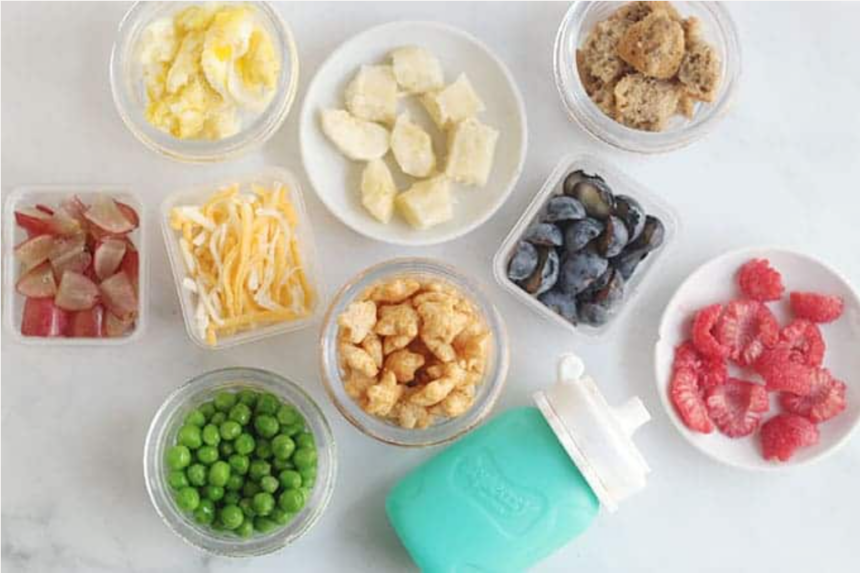
- Focus on soft, small, and easy-to-grasp finger foods, such as pea-sized soft vegetable chunks, small pieces of cooked fruit, soft pasta, or small biscuits.
- You can also continue to include some pureed or slightly thicker pureed foods to pair with finger foods, allowing the baby to practice different textures.
For toddlers around 1 year to 18 months old:
- Continue using the same small-piece foods as at 9 months, while gradually adding foods that can be bitten into small pieces, such as soft pancakes, fluffy muffins, and cooked minced meat.
- Snacks can be more like “small meals,” choosing from a variety of foods to help children gradually get used to a diverse diet.
Regardless of age, as long as the child is in the toddler stage, always supervise their eating process to prevent them from eating while running or walking around with food in their mouth.
3. Fruit and Vegetable Snacks for Babies
Snacks primarily composed of fruits and vegetables are suitable as a frequent “feature” throughout the day and can also be eaten with grains or protein-rich foods. Common preparations include:
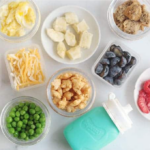
- Softened frozen peas, small cubes of roasted zucchini, and small pieces of roasted pumpkin or sweet potato, all cut into small pieces for easy grasping and chewing.
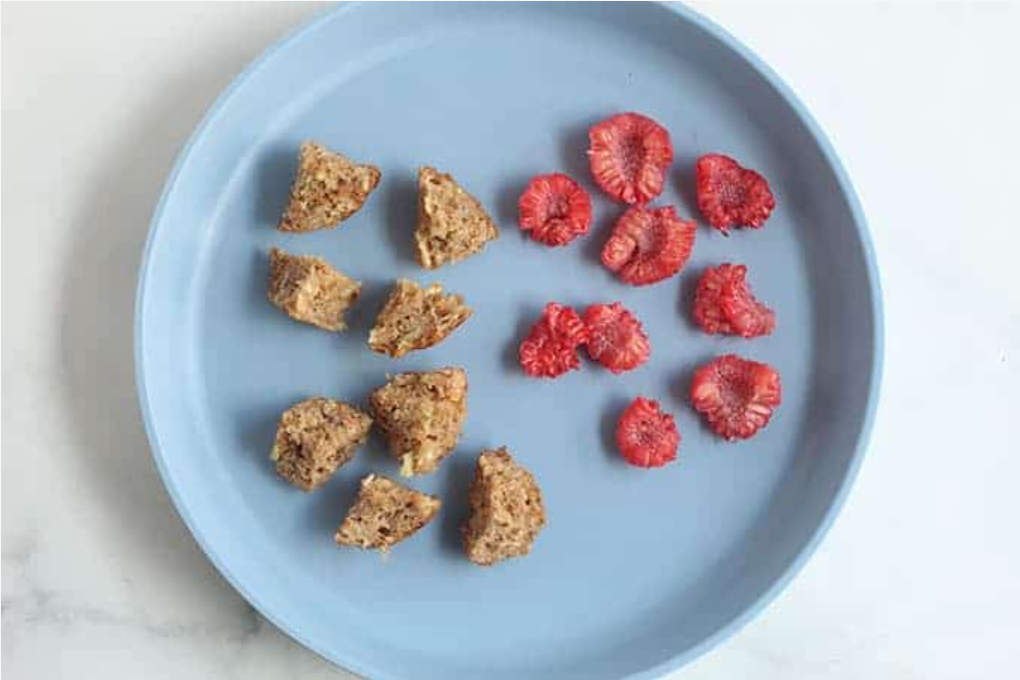
- Berries such as blueberries and raspberries should be cut into small pieces or broken into pieces. Frozen fruits should be completely thawed before being chopped.
- Bananas can be broken into small pieces rather than sliced, making them less slippery and easier for little hands to grasp; avocados should be cut into small cubes and slightly mashed to ensure a soft texture.
- For babies who still prefer pureed foods, fruit or vegetable purees can be served in small bowls with small spoons, or they can be placed in reusable puree bags for sucking.
Fruit and vegetable snacks not only supplement vitamins and dietary fiber but also naturally increase exposure to different colors, smells, and textures.
4. Energy-Rich Carbohydrate Snacks
For babies in their rapid growth phase, carbohydrates are an important energy source. During snack time, you can choose:
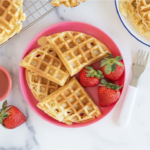
- Whole-grain-based pancakes, oatmeal cups, soft muffins, etc., cut into small pieces for easy handling.
- Washed and softened cereal rings or square cereals (such as O-shaped cereals, some cereal flakes). If necessary, you can soak them slightly in unsweetened yogurt or plant-based milk before feeding them to your baby.
- Leftover cooked noodles, rice, or oatmeal can also be cut into small pieces or balls and served as a “second chance” during snack time.
- Small pieces of whole-wheat bread can be paired with applesauce, fruit puree, or avocado puree, providing both a staple food and a source of fruits, vegetables, or fat.
Choose whole-grain versions as much as possible to increase dietary fiber and B vitamin intake, while also improving satiety.
5. Protein and Healthy Fat Snacks
Protein and fat make snacks more “sustainable,” helping babies stay hungry longer while supporting growth and brain development.
Suitable choices include:
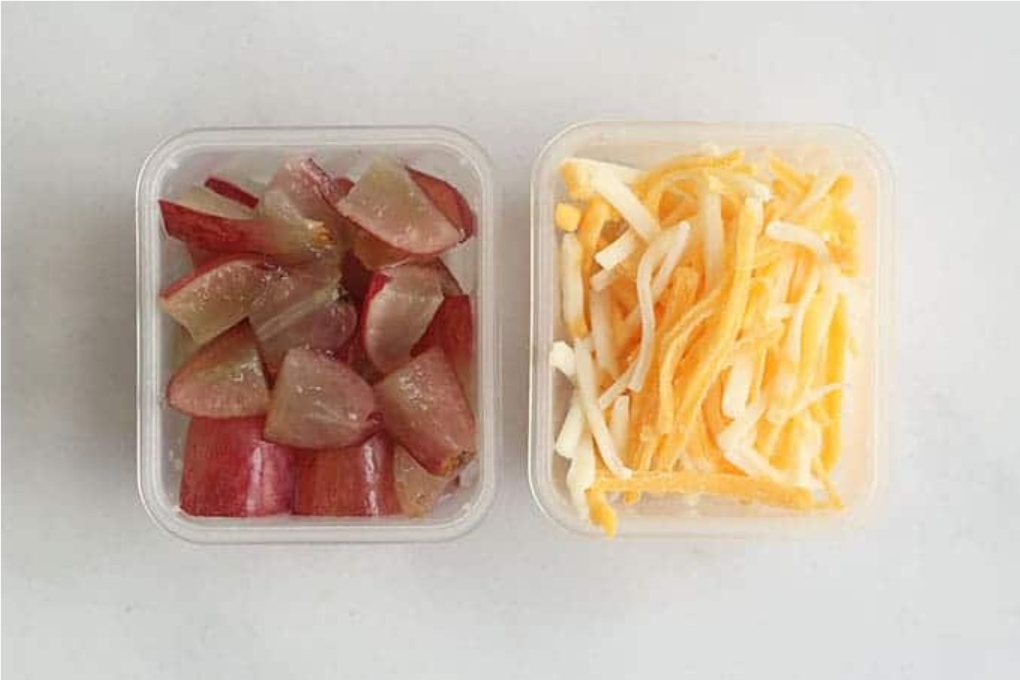
- Shredded cheese (softer varieties like mozzarella) or crumbled goat cheese; thicker strands are easier to grasp.
- Lightly fried or steamed tofu cut into small cubes; small amounts of chopped chicken, beef, turkey, or mashed small meatballs.
- Mashed beans, such as kidney beans or chickpeas, can be eaten alone or spread on bread or biscuits.
- Crushed scrambled eggs or mini omelets cut into pieces are great egg snacks for grasping; make sure they are thoroughly cooked.
- Full-fat plain yogurt, cheese, smoothies made with fruit and unsweetened dairy products, or popsicles are both protein sources and refreshing snacks.
Many of these foods are inherently nutritious, such as vegetable pancakes or fruit-flavored yogurt, so there’s no need to strive for a “perfect combination” at every meal or snack.
6. Snack Bags and Outings
Reusable food puree bags are very practical for babies who aren’t yet proficient with spoons:
- They can hold yogurt, simple smoothies, finely blended vegetable soup, or even slightly thicker overnight oatmeal or homemade fruit and vegetable purees, making it easy for babies to suck on.
- Some leak-proof silicone puree bags can be used from around 7 months old, making them convenient for home practice and suitable for carrying when out.
There are also ready-made fruit puree bags, melt-in-your-mouth snacks, and puffed treats available on the market. Choosing products with no or low added sugar and simple ingredient lists is more suitable for frequent daily consumption.
7. Practical Snack Combinations and Feeding Suggestions for Parents
In practice, treat each snack as a “mini platter”:
- Offer at least two different food categories each time, such as “fruit + grains” or “vegetables + protein,” allowing your baby to choose freely from multiple nutritional sources.
- Ensure at least one food contains some fat or protein to help prolong the feeling of fullness.
- Start with very small portions, adding more only after the baby finishes, respecting their sense of hunger and reducing waste.
During feeding, also keep the following in mind:
- Avoid offering snacks when your baby is extremely tired or strongly craving milk, as they are unlikely to concentrate on exploring solid foods at these times.
- Some foods may be too slippery or difficult to grasp. Try changing the way they are cut, or use a small fork or spoon to pre-serve a portion for your baby.
- If a child doesn’t eat a certain food the first time, it doesn’t mean they “never like it.” Introduce it gently in different forms over time, allowing the child to gradually develop acceptance.
The less stressful and more relaxed the feeding atmosphere, the more willing babies are to try new foods; adults sitting next to them and eating together often serve as a better example than any lecture.
When you stop viewing snacks merely as a way to fill their stomachs and instead see them as small opportunities for your baby to learn to chew, recognize foods, and practice self-feeding, a small handful of peas, a pancake, or a spoonful of yogurt on the table will become quietly shining fragments on their path of growth.