


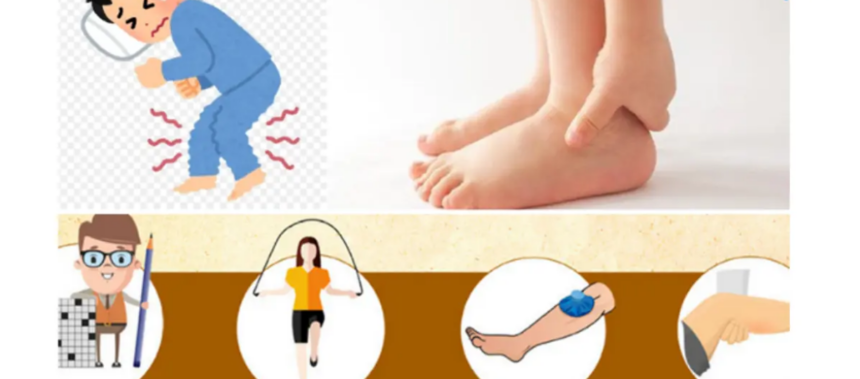
1. What is Restless Legs Syndrome (RLS)?
Restless Legs Syndrome (RLS), also known as Willis-Ekbom’s disease, is a neurological disorder closely related to sleep, commonly affecting children and adolescents.
The core characteristic is an urge in children to move, especially in the lower legs, when sitting or lying down.
This discomfort is often described as numbness, a crawling sensation, tingling, itching, or an indescribable “strange feeling,” compelling the child to constantly shake, kick, and pace their legs to temporarily relieve the discomfort.
2. Why Parents Often Ignore RLS
According to relevant foundations, approximately millions of children and adolescents suffer from RLS, but many are never correctly diagnosed.
Many parents attribute their children’s nighttime restlessness and daytime lethargy to playfulness, sleepiness, or “growing pains,” thus missing the opportunity for early recognition.
More significantly, the chronic sleep deprivation caused by RLS significantly increases the risk of mood problems, attention deficit, and declining academic performance, and is even associated with depression and ADHD.
3. Which Children Are More Prone to RLS
Currently, it is not certain which factors will definitely “cause” RLS, but research suggests the following are associated with an increased risk:
- Gender: In the general population, women are about twice as likely to develop RLS as men, but the gender difference is not always significant in childhood.
- Age: RLS can occur at any age, but it is often more common and severe in middle age; early onset in childhood is often associated with family history.
In addition, the following factors are also considered to be associated with RLS:
- Family genetic predisposition: If someone in the family has similar symptoms, the child’s likelihood of developing RLS is significantly increased.
- Pregnancy: Some women in late pregnancy experience transient RLS, which usually resolves postpartum.
- Medications: Certain antinausea medications, antipsychotics, some antidepressants, and certain antihistamines may trigger or worsen RLS symptoms.
- Chronic Diseases: Peripheral neuropathy, diabetes, and renal insufficiency are associated with RLS. Controlling the primary disease can help alleviate symptoms.
If RLS leads to chronic sleep deprivation, it may indirectly increase the risk of chronic diseases such as diabetes, heart disease, kidney disease, and stroke, having a lasting impact on overall quality of life.
4. Possible Causes and Genetic Mechanisms
The exact cause of RLS is not fully understood, but current relatively clear clues focus on the following aspects:
- Iron Metabolism and Neurological Function: Some patients have iron deficiency or abnormal iron utilization. Insufficient iron levels may affect the normal function of the central nervous system.
- Comorbidities: Diabetes, kidney disease, and some neurological diseases are considered to be predisposing factors for RLS.
The role of genetic factors is particularly prominent:
- Studies show that patients with severe RLS and early onset often have a positive family history.
- At the genetic level, several gene variants associated with RLS have been identified, such as MEIS1, BTBD9, MAP2K5/LBXCOR1, and PTPRD, which are highly expressed in the spinal cord.
These genes are involved in regulating the processing of external information by the spinal cord and nervous system, as well as muscle motor control. This provides a possible explanation for the link between RLS and periodic limb tics during sleep (PLMS).
5. Typical Manifestations of RLS in Children
Children’s descriptions of sensations are often vague, requiring parents and teachers to observe and question them carefully.
Common manifestations include:
- A strong urge to move the legs (or arms) while sitting or lying down, often relieved by kicking, pacing, or rubbing the legs.
- Difficulty calming down before bedtime, taking a long time to fall asleep, or frequent awakenings during the night.
- Numbness, crawling sensation, tingling, soreness, or a vague, indescribable discomfort in the calves, usually worsening with rest and temporarily relieved by activity.
- Chronic sleep deprivation leads to daytime sleepiness, fatigue, and poor concentration, making the child appear distracted.
- A significant decline in academic performance, with frequent leg shaking and body fidgeting in class, mistakenly perceived as restlessness or disruptive behavior.
Because the symptoms partially overlap with so-called “growing pains” and ADHD, Recurrent Leg Stress (RLS) is often misdiagnosed or missed in children, requiring a comprehensive analysis combining family history and a detailed medical history.
6. How to Initially Determine if a Child May Have RLS
Clinically, a set of core questions is used to help determine if a child exhibits typical characteristics of RLS.
If the child answers “yes” to most of the following questions, RLS should be considered:
- Do these leg discomforts worsen significantly at night, even during the day?
- Are symptoms more likely to appear or worsen when lying down or sitting still for extended periods?
- Does the child experience relief after walking, stretching, or moving their legs?
- Does the child feel an urge to move their legs due to numbness, discomfort, or strange sensations?
These questions cannot replace a doctor’s diagnosis, but they can help parents gather clues before seeking medical attention and provide more complete information to a professional doctor.
7. Medical Intervention and Comprehensive Treatment Approach
RLS treatment emphasizes individualized and comprehensive management, aiming to alleviate symptoms, improve sleep, and minimize the impact on daytime life.
Common intervention directions include:
- Medication: The doctor chooses whether and what medication to use based on the severity of the condition and comorbidities.
- Lifestyle and Dietary Adjustments: Encourage regular meals, ensure a balanced diet, and avoid excessive intake of stimulants such as caffeine.
- Sleep Management: Help the child establish a predictable sleep rhythm through a fixed bedtime and a clear bedtime routine. – Relaxation exercises: These include breathing relaxation and progressive muscle relaxation, which can help reduce tension and discomfort before bedtime.
Whether to supplement with iron or other nutrients should be decided after a doctor assesses the risk of deficiency and blood indicators. Avoid self-medicating with large doses of supplements.
8. Relief Methods You Can Try at Home
Home care cannot replace medical treatment, but it can provide more comfort and control for your child based on professional advice.
Some practices you can try include:
- Apply warm or cold compresses, such as hot water bottles or ice packs, to the affected area when symptoms appear, and observe which one makes your child more comfortable.
- Take a warm bath before bed to gradually relax the body and muscles, reducing tension before sleep.
- Gently stretch or massage the calf muscles, especially before bedtime, which is often the most comfortable part for many children.
- Introduce child-friendly yoga, meditation, or simple breathing exercises to help your child learn to “slow down.”
- Try to go to bed at the same time every day to stabilize the biological clock.
- Maintain moderate exercise during the day: Avoid overexertion and prolonged sitting, finding a balance between activity and rest.
- Reduce or avoid caffeinated beverages and snacks, and avoid exposure to tobacco and alcohol.
If iron or other nutrient deficiencies are suspected, a doctor or nutritionist should assess the situation before deciding on supplementation to avoid the potential risks of overdose.
9. Some Reminders for Parents
RLS is not an “immediately fatal” disease for a family, but it can gradually erode a child’s sleep quality and mental state, like a gentle rain.
Important points to note include:
- RLS is related to genetics. If someone in the family has a history of recurring leg discomfort, needing to shake their legs or walk around at night, pay close attention to your child’s behavior.
- Children with RLS are more likely to also have periodic limb movement disorder (PLMD), where their calves involuntarily twitch or shake every few tens of seconds during sleep.
- Certain medications (such as some antidepressants, antinausea medications, anticonvulsants, and some allergy and cold medications) may trigger or worsen RLS and need to be adjusted under the guidance of a doctor.
- Through medication adjustments, dietary optimization, and lifestyle interventions, most children’s symptoms have a chance to be significantly relieved.
10. How to Help Your Child Get a Good Night’s Sleep
In daily life, parents can help their children get more restful sleep through some simple and consistent actions.
- Maintain a consistent bedtime routine and bedtime, avoiding frequent late nights and constantly pushing back bedtime.
- Create a quiet, dark, and comfortably warm bedroom environment, making the bedroom a place the brain automatically associates with “peace of mind for sleep.”
- Consult a doctor to assess your child’s iron reserves (such as ferritin levels) and receive scientific and standardized treatment plans when necessary.
- For children with ADHD, arrange daytime exercise and rest appropriately to help burn excess energy and avoid over-excitement before bedtime.
- If your child has difficulty falling asleep or wakes up in the middle of the night, you can incorporate relaxation techniques such as a warm bath or gentle massage, in conjunction with the home relief methods mentioned earlier.
Many children don’t use words like “soreness” or “crawling sensation” to describe their distress; they simply toss and turn repeatedly at night and become increasingly silent or irritable during the day. What parents really need to do is to see in these subtle and recurring signals a child’s cry for help: their legs not stopping is actually their way of not sleeping soundly.