

1. When a Child Starts to “Fear Going to the Toilet”
Many parents have encountered similar scenarios: the child wants to poop but is afraid to, squatting in a corner, sweating profusely, their face flushed, and finally, not only does hard, dry stool fall, but tears also stream down their face.
For the child, this is a painful and embarrassing experience; for adults, it’s a moment mixed with heartache, anxiety, and even guilt.
Constipation is not an uncommon problem, but it’s easily overlooked or solved solely by medication. In fact, before a doctor intervenes, many gentle and practical ways to manage constipation exist within the home environment.
2. Why Do Children Experience Hard Stools?
Hard stools in children are often related to the following:
- Insufficient water intake leads to a lack of sufficient fluid in the intestines, causing stools to become dry and hard.
- A diet high in refined and oily foods, with insufficient fiber from fruits and vegetables, slows down intestinal motility.
- Irregular sleep patterns, sedentary lifestyles, or a past experience of painful bowel movements can cause children to intentionally hold in their stool, further exacerbating constipation.
These factors intertwine like a slowly knotting thread; if not untied in time, the child will become increasingly resistant to using the toilet.
3. General Principles of Home Care
Before discussing specific methods, parents should firmly remember three basic principles:
- Ensure stool is moist: Guarantee adequate and age-appropriate fluid intake.
- Encourage bowel movement: Promote intestinal motility through diet and activity.
- Make the child less afraid: Create a relaxed and friendly bowel movement experience, rather than urging or scolding.
Often, if these three points are well-managed, medication can be postponed or even temporarily suspended, with further treatment decided under the guidance of a professional doctor.
4. Daily Care Methods for Infants
1. Replenish Fluids to Keep the Intestines Lubricated
For babies still breastfeeding, water is the most basic and safest “passage helper.”
- Ensure your baby gets enough fluids daily, including breast milk, formula, and appropriate amounts of additional fluids as advised by a doctor or professional.
- At the appropriate age, you can choose milk drinks, appropriate amounts of fruit juice, or oral rehydration solutions under professional guidance to help increase the moisture and fluidity of intestinal contents.
With enough water, stools won’t be dry and difficult to pass.
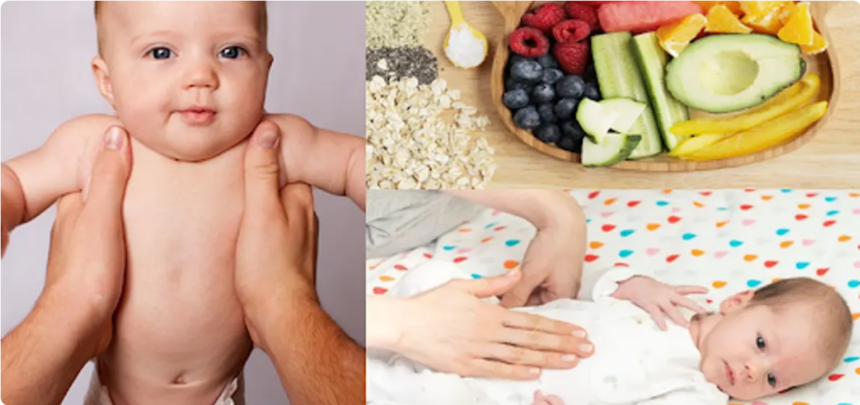
2. The Relaxing Power of Warm Baths
Sometimes, the first step in helping a baby defecate isn’t “what to eat,” but “letting the body relax.”
- Bathing your baby with warm water can gradually relax the muscles around the anus, reducing tension.
- Adding a small amount of baking soda to the water helps relax the muscles around the rectum, making it easier for some babies to defecate after a bath.
This gentle, ritualistic approach can reduce a child’s psychological defenses against the pain of pooping.
3. Using Fruit and Vegetable Juices to Help the Gut Flow
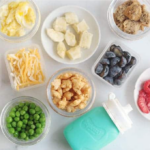
When your baby reaches the appropriate age and starts eating solid foods, you can gradually introduce fruits and vegetables to help, as advised by a doctor.
- Sorbitol in fruits like apples, pears, and plums helps soften stools and promotes bowel movements.
- Diluted apple juice, pear juice, and plum juice can be cautiously introduced in small amounts for infants over four months old.
- Tomato juice, papaya puree, or small pieces of papaya are more suitable options for babies over six months old who have started on various solid foods.
The key is not “more for faster results,” but “small amounts, regularity, age-appropriateness, and safety.”
4. Let Probiotics Participate in “Maintaining Order”
The gut microbiota is like the residents of a city; some are responsible for cleaning up waste, while others are responsible for maintaining order.
- Consuming appropriate amounts of probiotic-rich foods, such as yogurt (provided the baby’s age and digestive capacity are suitable), helps shorten the time stool stays in the intestines, making stool softer.
- Every child’s gut condition is different. If additional probiotic supplements are needed, consult a pediatrician to determine the type and dosage.
When the gut’s “resident structure” becomes more balanced, bowel movements become less strenuous for the child.
5. Boundaries to Consider When Treating Children at Home
Even the gentlest home remedies have boundaries to be aware of:
- Do not rely on any single method for an extended period. If symptoms do not improve within a few days or if anal fissures, bleeding, significant abdominal distension, vomiting, or other complications occur, seek medical attention immediately.
- Do not give children adult laxatives or unapproved home remedies, especially those with strong irritant ingredients, as these can damage intestinal function.
- Even the best fruits and juices cannot replace regular meals. Excessive consumption may disrupt nutritional balance or cause diarrhea.
The significance of family intervention lies in providing children with a gentler buffer, rather than delaying the need for medical intervention.
6. Helping Children Build “Friendly Bowel Movement Memories”
Many children’s fear of using the toilet stems from a past experience that was “excruciatingly painful.” Parents can do more than just soften their stool for the next bowel movement; they can reshape the meaning of the experience.
- Allow children ample time for toilet time and avoid constantly nagging or scolding them on the toilet.
- Provide them with a designated stool or a familiar toy to make the toilet space safer and more predictable.
- When the child successfully defecates, offer specific and gentle encouragement, letting them know that “the body can easily accomplish this.”
When painful memories are gradually replaced by gentle experiences, those small decisions made out of fear to hold in bowel movements can slowly be let go.
Sometimes, behind a hard, dry stool lies a child striving to grow and a pair of helpless parents. Slow down, be gentle, hand him the water glass, cut the fruit into smaller pieces, and prepare the warm water for bedtime in a more relaxed manner. Many troubles will quietly loosen in the light of everyday life.